
Eastmallbuy Finds
Spreadsheet
OVER 5000+
WITH QC PHOTOS
Click the images below to browse!









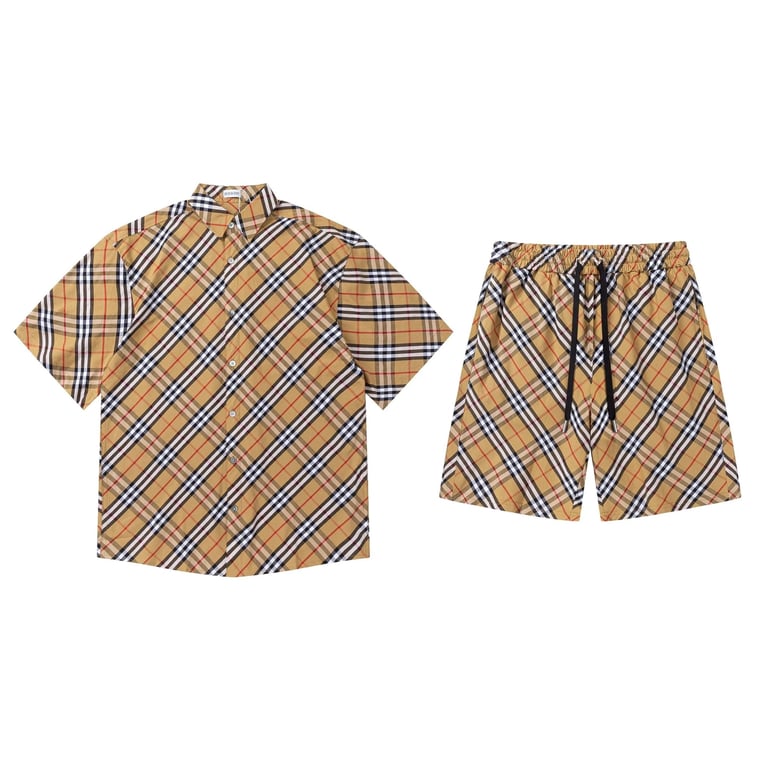
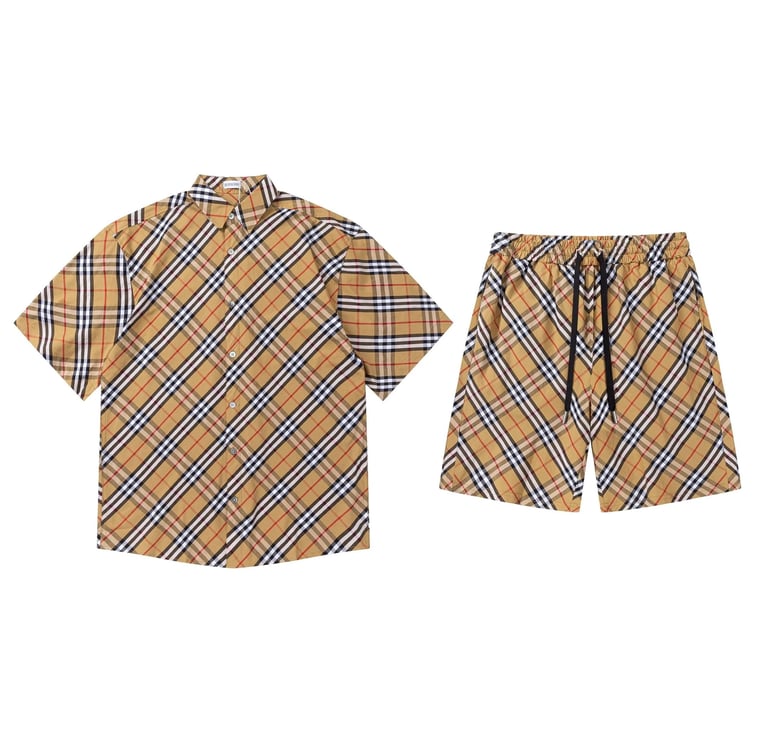


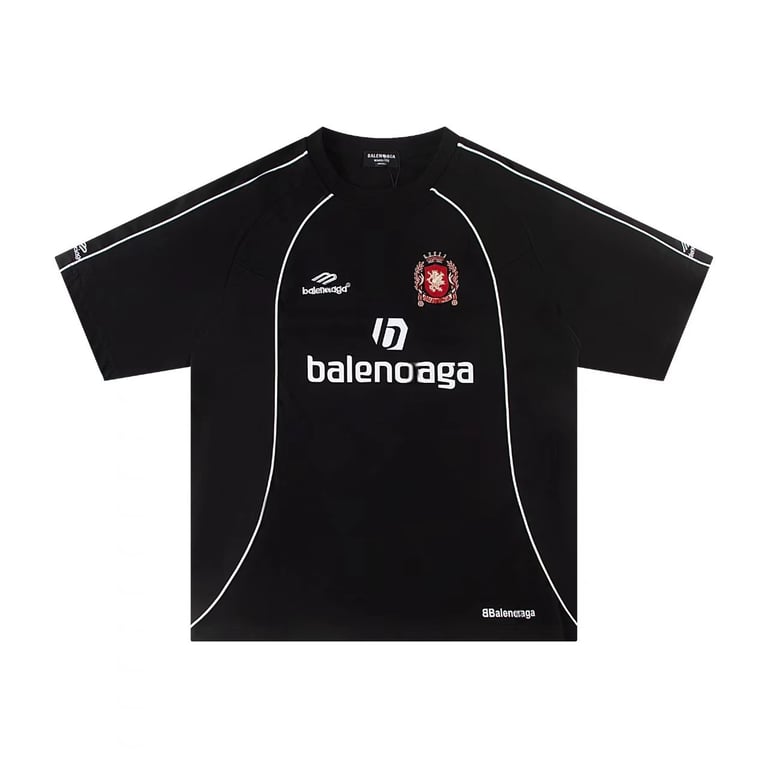
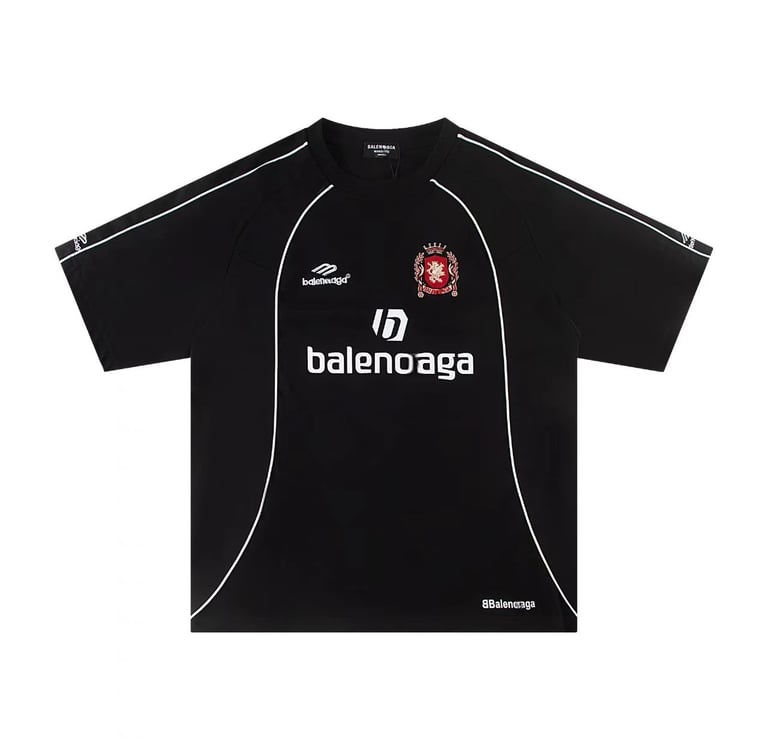


A structured way to understand global sourcing
Cross-border commerce has become faster, but not simpler.
Products move across platforms, suppliers update without notice, and decisions are made in fragmented tools that were never designed to work together.
Eastmallbuy spreadsheet exists for a different approach.
It brings structure to sourcing—not by adding more tools, but by reducing the noise between them.
The problem is not access. It’s clarity.
Most sellers don’t struggle to find products. They struggle to understand them over time.
Information changes constantly:
pricing shifts
supplier variations
inconsistent listings across platforms
scattered tracking across files and messages
What starts as a simple spreadsheet becomes an unmanageable system.
Eastmallbuy spreadsheet is built to hold that complexity without breaking it.
A system built around structure, not storage
Traditional tools store information.
This system organizes it.
Eastmallbuy spreadsheet is designed to keep product data connected, consistent, and readable as it evolves.
Instead of isolated entries, each product becomes part of a structured context:
what it is, where it came from, how it changes, and how it relates to other sourcing options.
It is not a database.
It is a way of working with sourcing data.
Designed for decision-making, not documentation
Most tools are optimized for input.
This one is optimized for understanding.
When sourcing becomes structured, decisions become faster:
what to keep, what to replace, what to scale.
Eastmallbuy spreadsheet doesn’t automate those decisions.
It makes them clearer.
Built for how sourcing actually behaves
Real sourcing is not linear.
A product might come from multiple suppliers.
Prices might shift weekly.
Availability might vary by region.
And decisions are rarely made with complete information.
Eastmallbuy spreadsheet is designed to work inside that uncertainty, not ignore it.
It gives structure to something that is naturally unstable.
A second layer for distribution
Organization alone is not enough.
Once products are structured, they need to move.
That’s where Eastmallbuy links comes in.
It extends selected product structures outward, allowing them to be shared and used across different channels without breaking consistency.
If the spreadsheet is where understanding happens,
links is where movement happens.
Not a tool for everyone
This system is not trying to serve every use case.
It is built for a specific type of workflow:
people who manage sourcing across platforms, deal with changing suppliers, and need clarity at scale.
If that is your reality, structure matters more than features.
Quiet infrastructure for global commerce
The best systems are often invisible in daily work.
They don’t interrupt decisions.
They don’t add steps.
They remove uncertainty.
Eastmallbuy spreadsheet is meant to sit in that layer—quietly holding structure where fragmentation normally appears.
Two layers. One system.
Structure → Eastmallbuy spreadsheet
Movement → Eastmallbuy links
Together, they form a simple model for sourcing in a fragmented environment.
Closing idea
Most tools try to accelerate sourcing.
This one focuses on making it understandable.
Because at scale, clarity is faster than speed.


Is Eastmallbuy spreadsheet a tool or a system?
It’s closer to a system than a tool.
Eastmallbuy spreadsheet is not designed to solve a single task like storing or listing products. It is meant to hold structure across sourcing workflows that usually happen in fragmented environments.
Instead of replacing what people already use, it connects and organizes what already exists.
Why not just use traditional spreadsheets?
Traditional spreadsheets assume stability.
But sourcing is not stable.
Supplier data changes, product availability shifts, and pricing is constantly updated across platforms. Over time, static files stop reflecting reality.
Eastmallbuy spreadsheet is built for that movement. It keeps structure even when inputs change.
Does this replace sourcing platforms or suppliers?
No.
This system does not replace sourcing platforms, suppliers, or marketplaces.
It sits between them.
Eastmallbuy spreadsheet helps organize what comes from different sources. It does not try to become the source itself.
What kind of users is this designed for?
It is designed for people working with sourcing at scale:
cross-border sellers
dropshipping operators
teams managing multiple suppliers
workflows that span different platforms and markets
The common pattern is not industry—it is complexity.
What role does Eastmallbuy links play?
If Eastmallbuy spreadsheet is where structure is formed,
Eastmallbuy links is where that structure becomes usable outside the system.
It allows selected product structures to be shared externally without losing consistency or control.
Is this focused on automation?
Not primarily.
Automation removes steps.
This focuses on reducing confusion.
The goal is not to eliminate decision-making, but to make decisions easier to understand.
Can this scale with growing operations?
That is the core assumption behind it.
As sourcing expands, complexity grows faster than tools usually adapt.
Eastmallbuy spreadsheet is designed to maintain structure even as volume increases, rather than requiring a rebuild of the system.
What makes this different from SaaS dashboards?
Most dashboards are built around visibility.
This system is built around relationships between data.
Instead of showing isolated metrics, Eastmallbuy spreadsheet keeps product information connected across time, suppliers, and changes.
Is there a “right way” to use it?
No fixed workflow is required.
The system adapts to how sourcing already happens. Some users treat it as an organizing layer, others as a decision support structure.
The goal is not to enforce process, but to reduce fragmentation.
Final clarification
This is not positioned as a productivity tool, a marketplace, or a listing platform.
It is an attempt to make sourcing more coherent as it becomes more complex.